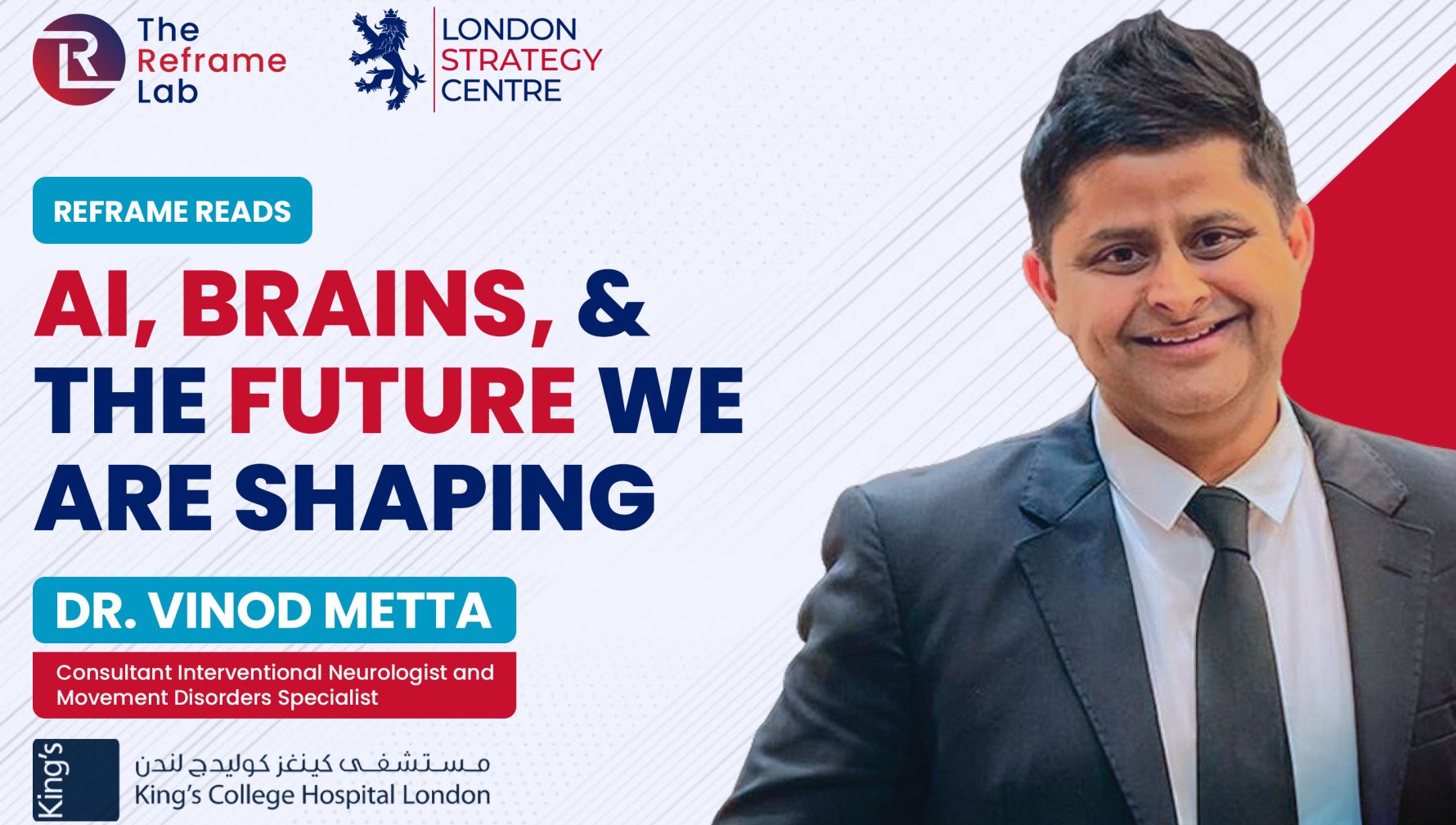
AI, Brains, and the Future We Are Shaping
From Promise to Anxiety
Sustainability and technology once felt purely positive. Today many people associate both with job losses, rising costs, and a loss of control. The same tension now surrounds artificial intelligence. Influential voices such as Geoffrey Hinton warn of deep social change. Universities see the impact in classrooms. Families see it in living rooms. The question behind all the noise is simple: Are our brains and our systems ready for the world we are building?
AI Should Be a Tool, Not a Substitute
AI can guide, support, and accelerate work. It should not replace judgment, ethics, and human connection. When people offload thinking too early to a system they do not fully understand, the brain's natural practice cycles can weaken. Over time this can blunt critical thinking, abstract reasoning, and the ability to move from messy questions to responsible decisions.
Use the brain or lose it is a simple rule that applies at every age.
Attention, Addiction, and the Infinite Scroll
Not every struggle with attention is a diagnosis. But design patterns that reward compulsive checking can increase impulsivity, especially in younger users whose neural networks are not fully matured. If the most formative years incline toward instant answers and frictionless shortcuts, the brain learns to prefer the shortcut. That can slow work like literature review, hypothesis building, and careful revision.
Are We Creating New Kinds of Mental Strain?
Dr. Metta expects more cases where technology habits intersect with mood disorders and attention problems. The risk is not a single new disease. It is a wider pattern of reduced critical thinking and weak attention that invites quick fixes, including medication, for problems that are partly behavioural and environmental.
Leadership Culture Matters
In health systems and companies, cost cutting that swaps people for machines can strip away the human touch. Teams thrive when leaders set norms that value original work, allow drafting and feedback, and treat AI as a collaborator.
Parents and Teachers Hold the Leverage
Parents and educators shape habits that last. Practical steps help:
A Clear Position on Replacement
Will AI replace experts entirely? Not in the domain of human connection, clinical judgment, and ethical decision making. Pilots still fly planes. Clinicians still carry responsibility for diagnosis and consent. Researchers still define questions worth asking. AI can sharpen each of these when used with care. It becomes a crutch when it stands in for them.
The Human Touch Creates Hope
People remember being heard and helped, not being processed. The relationship between parent and child, teacher and student, doctor and patient, leader and team is the anchor that technology cannot supply. AI often delivers hype. Human touch delivers hope.
Authors

Dr Vinod Metta
Consultant Interventional Neurologist,
King's College Dubai
Download Article
Save this article as a PDF to read offline or share with your team.
Newsletter
Get the latest insights from LSC delivered to your inbox.
Featured Campaigns and Collections

17TH JUNE, 2025
Women's Leadership: What Exactly Are We Trying to Fix?

17TH JUNE, 2025
Women's Leadership and Gender Diversity; not just 'nice to haves' but differentiators

11TH JUNE, 2025
The Limelight Or The Shade

5TH JUNE, 2025
Caught in the Crossfire: Can Climate Action Survive Rising Geopolitical Tensions?
17TH JUNE, 2025
Women's Leadership: What Exactly Are We Trying to Fix?
17TH JUNE, 2025
Women's Leadership and Gender Diversity; not just 'nice to haves' but differentiators
11TH JUNE, 2025
The Limelight Or The Shade
5TH JUNE, 2025
Caught in the Crossfire: Can Climate Action Survive Rising Geopolitical Tensions?
25TH MAY, 2025