Sustainability and Technology
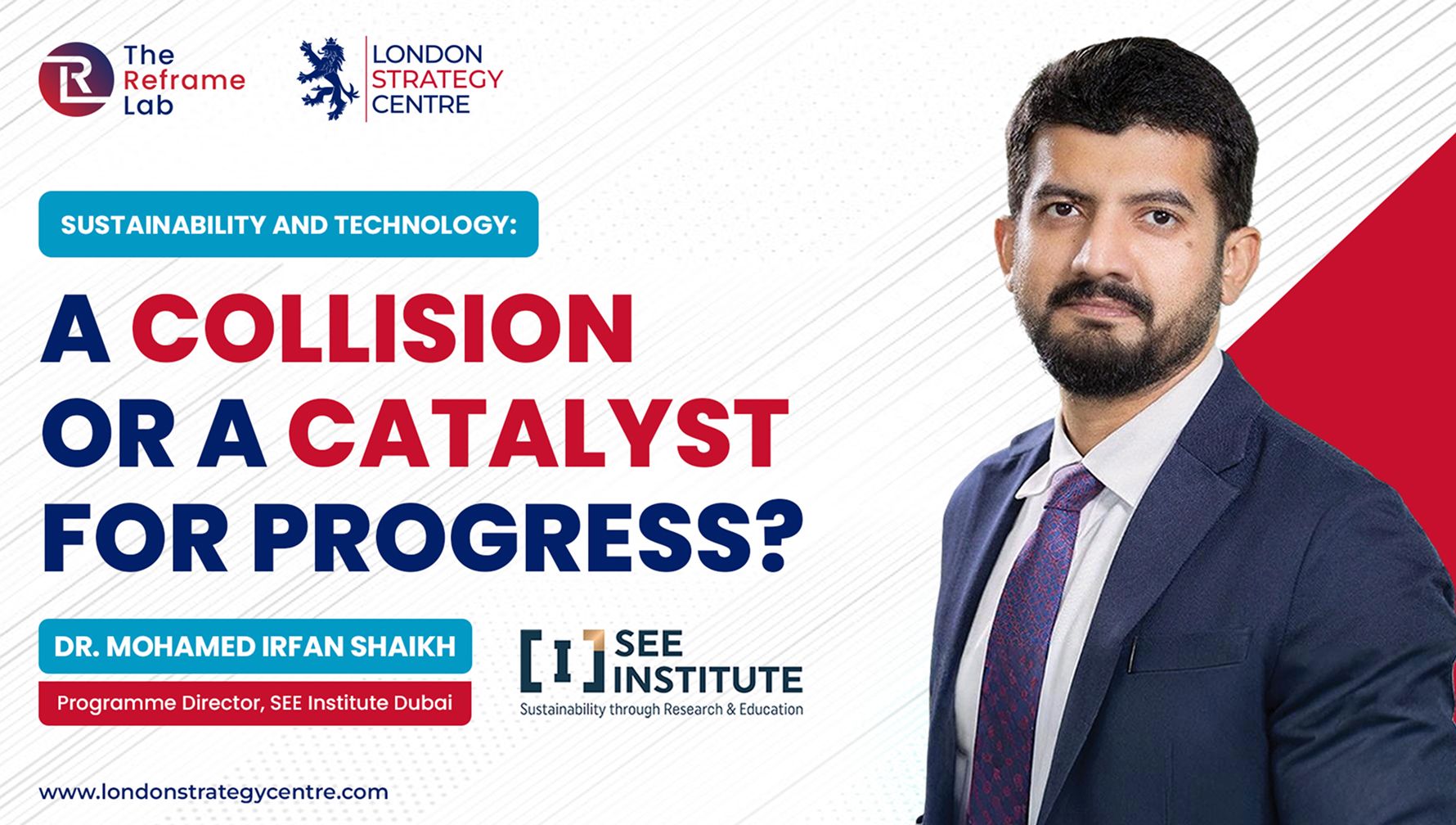
A Collision or a Catalyst for Progress?
Once viewed as a symbol of innovation and environmental progress, sustainability in the 1980s and 1990s represented optimism and shared responsibility. It was about cleaning up the planet, developing new technologies, and creating more efficient systems. Today, however, the narrative has shifted. For many, sustainability has become synonymous with job losses, industry decline, and economic pressure. What was once a positive movement for progress is now at risk of being misinterpreted as a constraint.
The Misinterpretation of Sustainability
The transformation of sustainability from a driver of innovation to a perceived vehicle for cost-cutting reflects a broader misunderstanding within organisations. In recent years, many companies have equated sustainability with operational efficiency, often using it as justification for reducing costs and restructuring workforces. This narrow interpretation has undermined the true essence of sustainability, which should focus on creating long-term value through innovation, resilience, and social impact.
When sustainability is seen solely as a financial or compliance exercise, it loses its transformative power. The result is a growing divide between environmental ambitions and the realities of economic and human development.
The Collision Between Sustainability and Technology
The world now stands at a critical junction where sustainability intersects with rapid technological advancement. Organisations are investing heavily in artificial intelligence and automation — particularly in developing agentic AIs, systems capable of acting with limited human input. These technologies promise greater efficiency and precision, but they also create a significant challenge: the gap between machine capability and human understanding.
This gap is not merely about technical skills. It reflects a deeper capability divide — a lack of readiness to integrate human judgment, ethical frameworks, and adaptive thinking into technology-driven systems. As machines evolve exponentially, human learning remains linear, raising the question of whether society is keeping pace with its own creations.
From Upskilling to Capability Development
For decades, the response to automation has been "upskilling" — training people to use new tools. Yet, in the current era, this is no longer enough. The future demands capability development, which goes beyond skills to encompass agility, critical thinking, and the ability to navigate ambiguity.
Capability development enables individuals and organisations to evolve alongside technology rather than chase it. It encourages collaboration between humans and machines, leveraging the strengths of both to create new value systems.
The Middle East: An Emerging Innovation Hub
Across the Middle East, particularly in the UAE and Saudi Arabia, governments are leading some of the world's most ambitious investments in artificial intelligence, digital infrastructure, and renewable energy. The UAE has established advanced AI centres and developed its own large language model, Falcon.
These initiatives reflect a long-term national vision that positions AI not as a threat, but as a foundation for economic diversification and capability building. The future lies in small, agile enterprises and individuals who create specialised solutions to address localised challenges.
Water Security and Renewable Energy: The Next Sustainability Frontier
As digital infrastructure expands, so too does its environmental footprint. Data centres require vast amounts of water and energy to operate. In regions like the GCC, where water scarcity is already a critical issue, this presents a complex challenge.
Governments are responding by investing in renewable energy and exploring partnerships in cooler regions to host data centres more sustainably. The long-term solution lies in combining innovation with responsibility — powering digital growth with clean, renewable resources while ensuring that natural ecosystems remain protected.
Redefining Sustainability
The evolving perception of sustainability reveals a deeper global tension: how to balance economic progress with environmental and social responsibility. The answer lies in redefining sustainability — not as a limitation, but as an opportunity for transformation.
Conclusion
Organisations that embrace capability development, harness technology ethically, and invest in human potential will lead the way into a more balanced and sustainable future. The challenge is not to resist change, but to reframe it — aligning innovation with purpose and progress with humanity.
Authors

Dr Muhammad Irfan Shaikh
Programme Director,
SEE Institute Dubai
Download Article
Save this article as a PDF to read offline or share with your team.
Newsletter
Get the latest insights from LSC delivered to your inbox.
Featured Campaigns and Collections

17TH JUNE, 2025
Women's Leadership: What Exactly Are We Trying to Fix?

17TH JUNE, 2025
Women's Leadership and Gender Diversity; not just 'nice to haves' but differentiators

11TH JUNE, 2025
The Limelight Or The Shade
5TH JUNE, 2025
Caught in the Crossfire: Can Climate Action Survive Rising Geopolitical Tensions?
17TH JUNE, 2025
Women's Leadership: What Exactly Are We Trying to Fix?
17TH JUNE, 2025
Women's Leadership and Gender Diversity; not just 'nice to haves' but differentiators
11TH JUNE, 2025
The Limelight Or The Shade
5TH JUNE, 2025
Caught in the Crossfire: Can Climate Action Survive Rising Geopolitical Tensions?
25TH MAY, 2025