Women in Leadership and Women in AI: What Are We Still Getting Wrong?
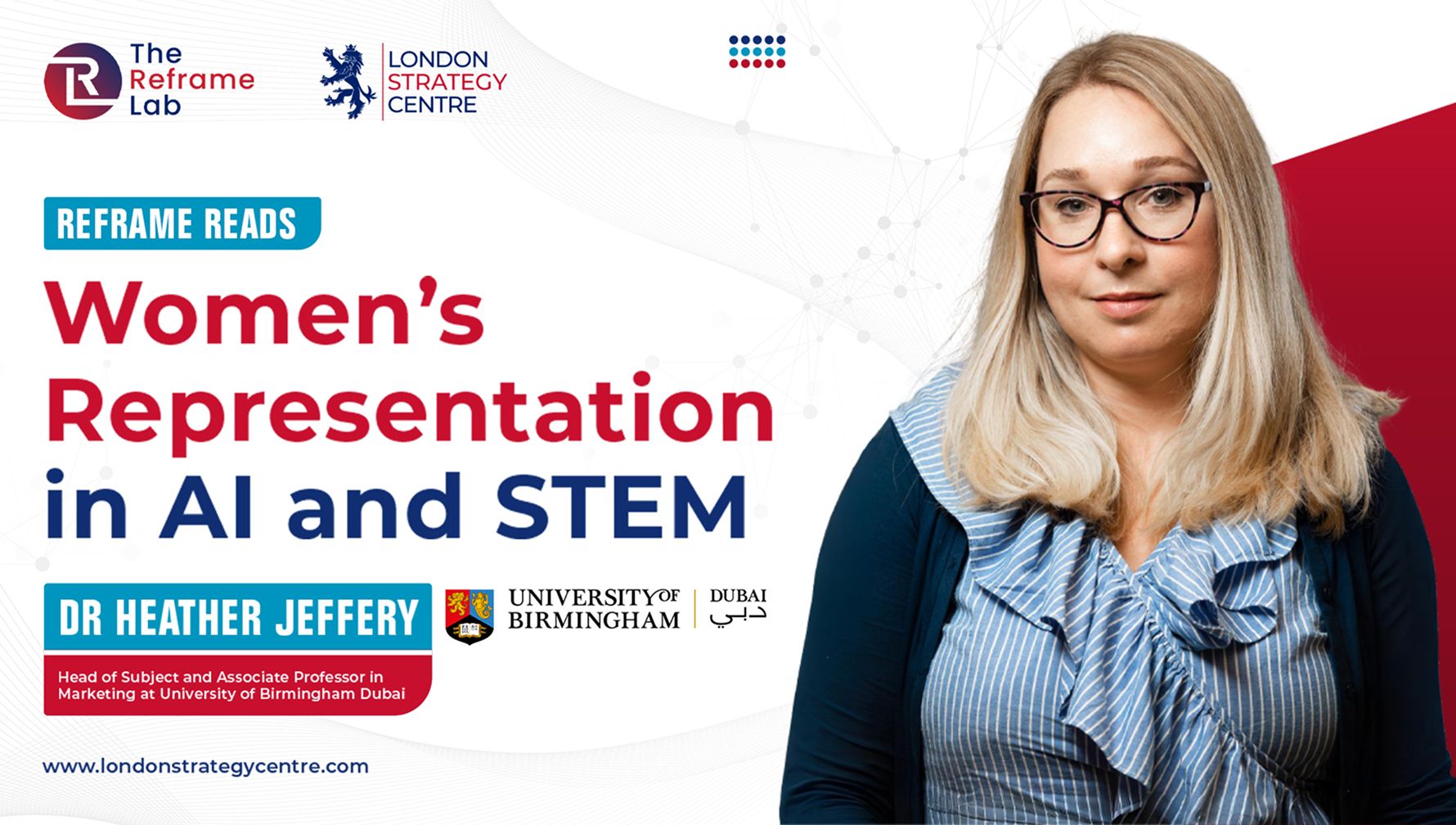
Despite decades of progress, women remain significantly underrepresented in leadership, especially in technology and artificial intelligence. The problem isn't women's ability. It's the system around them: cultural expectations, bias in decision-making, unequal domestic responsibilities, and structures of work that were never designed for equality.
The Reality of Representation
Women are present in the pipeline, but missing at the top. Across major markets, women still hold a small share of top leadership roles:
And yet women frequently outperform men academically and represent a significant portion of university cohorts. The contradiction is clear.
The Hidden Barrier: The Double Shift
One of the most overlooked drivers of the leadership gap is what happens outside the workplace. Women often carry the "double shift":
Many women begin their workday already depleted, having managed a full morning of responsibilities before professional life even starts. This unequal distribution of time and energy becomes a structural barrier to progression, especially into roles that demand long hours, travel, high visibility, or constant availability.
Are We Forcing Women Into a Model Built for Men?
In many countries, dual-income households are not a lifestyle choice — they're a financial necessity. Yet childcare is often unaffordable, and many workplaces remain resistant to flexibility.
The deeper issue: traditional work models assume someone else is handling life at home.
If leadership requires 24/7 sacrifice, then leadership remains easiest for those who are least burdened by domestic responsibilities.
Leadership and the "Sacrifice Culture"
A recurring belief in business is that top leadership requires total sacrifice — sleep, relationships, balance, and sometimes health.
But it raises a critical question: Does burnout create better leaders and stronger organisations — or just louder ones?
A growing body of thinking suggests the future of leadership isn't about endless sacrifice, but about clear values, emotional steadiness, and sustainable performance.
Emotional Intelligence Is Becoming a Leadership Advantage
As AI automates tasks and accelerates productivity, the most valuable human skills are shifting toward:
These qualities are often labelled "feminine," and women are frequently socialised to build them early. But these skills are not exclusive to women — they are leadership skills that must be cultivated in everyone.
The future of work will reward leaders who can connect, not just control.
AI Bias: Technology Reflects Society
AI is only as fair as the data and teams that create it. If women are underrepresented in building AI systems, then AI risks embedding existing societal stereotypes into:
AI can reduce human bias in areas like recruitment — but only if it is designed with diversity, accountability, and oversight. Otherwise, it simply automates inequality.
Why Women Don't Enter AI and STEM in Equal Numbers
It's not about intelligence or potential. It's often about:
If young girls rarely see people like them in STEM roles, the subconscious message becomes: that's not for you.
The Real Drop-Off Happens During Career Progression
Even when women enter STEM and higher education in large numbers, representation decreases at every level up the hierarchy. Why? Because career progression often peaks at the same life stage when women face:
This is not a motivation gap. It's a structural time-and-support gap.
Entrepreneurship Isn't "Plan B" — It's Redesigning Work
Many women create businesses that fit around family life and other responsibilities. This is not a lack of ambition. It is often a rational response to rigid systems — and proof that women are building new models of leadership that prioritise:
The mistake is measuring leadership only through corporate titles, rather than influence, value creation, and impact.
Funding: The Barrier of the "All Boys Network"
A major obstacle remains access to capital. Many investment ecosystems still operate through informal networks, pattern matching, and biased perceptions of risk. When the majority of decision-makers share similar backgrounds, founders who look different face a steeper climb regardless of idea quality.
The solution isn't "fund women regardless." The solution is remove bias so quality is judged fairly.
Equal Parenting: The Foundation of Change
If there is one lever that impacts everything — leadership, progression, participation in STEM, entrepreneurship, and well-being — it is equal parenting and equal domestic responsibility.
Without it, women will continue to operate with less time, less energy, and more constraints — and no amount of confidence training will compensate for that.
What Effective Digital Leadership Support Should Do
The most effective leadership development for women should not require women to "become more like men." Instead, it should:
The Real Goal
The real goal is not to fix women. It is to modernise leadership.
Authors

LSC Team
Edited and repurposed by
London Strategy Centre
Download Article
Save this article as a PDF to read offline or share with your team.
Newsletter
Get the latest insights from LSC delivered to your inbox.
Featured Campaigns and Collections

17TH JUNE, 2025
Women's Leadership: What Exactly Are We Trying to Fix?

17TH JUNE, 2025
Women's Leadership and Gender Diversity; not just 'nice to haves' but differentiators

11TH JUNE, 2025
The Limelight Or The Shade

5TH JUNE, 2025
Caught in the Crossfire: Can Climate Action Survive Rising Geopolitical Tensions?
17TH JUNE, 2025
Women's Leadership: What Exactly Are We Trying to Fix?
17TH JUNE, 2025
Women's Leadership and Gender Diversity; not just 'nice to haves' but differentiators
11TH JUNE, 2025
The Limelight Or The Shade
5TH JUNE, 2025
Caught in the Crossfire: Can Climate Action Survive Rising Geopolitical Tensions?
25TH MAY, 2025